Male Gynecomastia (Male Breast) Surgery
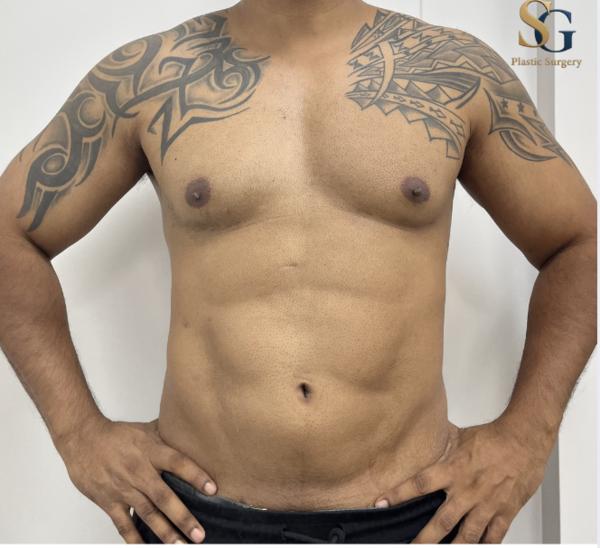
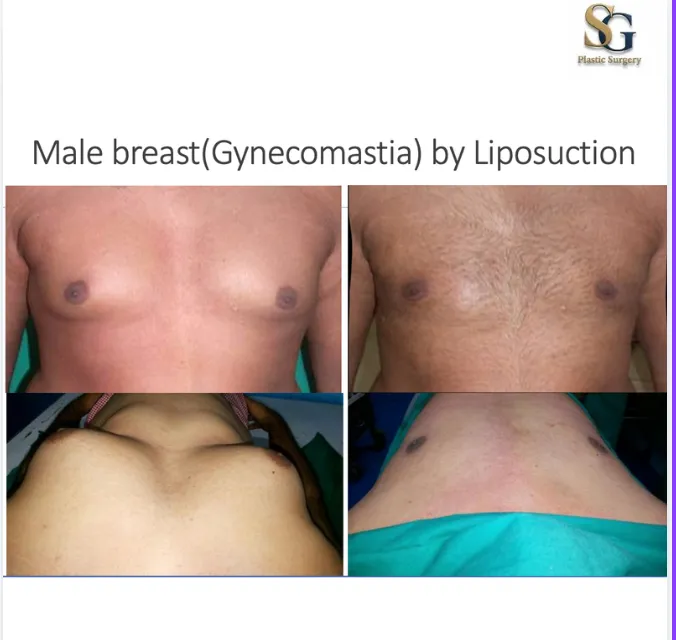
Gynecomastia, commonly known as “male breast” enlargement or male boob surgery, is a condition where there is excess glandular tissue, fat, or both in the male chest, leading to a feminine-looking chest contour. This condition can occur due to hormonal imbalance, weight changes, genetics, medications, or lifestyle factors, and it often causes significant psychological distress, body image concerns, and hesitation in wearing fitted clothes or going shirtless.
Male gynecomastia surgery is a highly effective and permanent solution to achieve a flat, masculine chest contour. The procedure typically involves a combination of liposuction to remove excess fat and gland excision to remove the firm glandular tissue beneath the nipple. In cases with skin laxity, skin tightening techniques may also be used to enhance the final contour. The surgery is customized based on the grade of gynecomastia, chest shape, skin quality, and patient expectations to deliver natural and proportionate results.
Frequently Asked Questions (FAQs) on Gynecomastia Surgery
1. What causes gynecomastia (male breast enlargement)?
Gynecomastia can be caused by hormonal imbalance, obesity, genetic factors, certain medications, anabolic steroids, thyroid disorders, or puberty-related hormonal changes.
2. Is gynecomastia treated with liposuction only?
Not always. True gynecomastia usually involves glandular tissue, which cannot be removed by liposuction alone. Most patients require a combination of liposuction and gland excision for optimal results.
3. Is male boob surgery permanent?
Yes, the removed gland and fat cells are permanently removed. However, maintaining a stable weight and healthy lifestyle is important to prevent recurrence due to fat gain.
4. Is the surgery done under local or general anesthesia?
Grade 1 or small gynecomastia can often be done under local (tumescent) anesthesia with sedation, while higher grades or larger cases may require general anesthesia.
5. How long does the gynecomastia surgery take?
The procedure typically takes about 1–2 hours depending on the grade, amount of gland, and whether liposuction alone or combined gland excision is required.
6. Is hospitalization required?
Most gynecomastia surgeries are daycare procedures, meaning patients can go home the same day. In selected cases, an overnight stay may be advised.
7. Will there be visible scars?
Incisions are usually placed around the areola (peri-areolar) or in hidden areas, making scars minimal and cosmetically acceptable.
8. Is the procedure painful?
Pain is usually mild to moderate and well controlled with medications. Most patients experience more tightness and soreness rather than severe pain.
9. What is the recovery time?
Patients can usually resume desk work within 2–3 days and light activities within a week. Gym and heavy workouts are generally resumed after 3–4 weeks.
10. Do I need to wear a compression garment?
Yes, a compression vest is essential for 4–6 weeks to reduce swelling, support skin retraction, and improve chest contour.
11. When will I see the final results?
Initial results are visible within a few weeks, but final chest contour becomes more defined over 2–3 months as swelling subsides and skin tightens.
12. Who is the ideal candidate for gynecomastia surgery?
Ideal candidates are medically fit males with persistent chest enlargement, stable weight, realistic expectations, and glandular or fatty chest tissue that does not improve with diet and exercise.
Gynecomastia, commonly known as “male breast” enlargement or male boob surgery, is a condition where there is excess glandular tissue, fat, or both in the male chest, leading to a feminine-looking chest contour. This condition can occur due to hormonal imbalance, weight changes, genetics, medications, or lifestyle factors, and it often causes significant psychological distress, body image concerns, and hesitation in wearing fitted clothes or going shirtless.
Male gynecomastia surgery is a highly effective and permanent solution to achieve a flat, masculine chest contour. The procedure typically involves a combination of liposuction to remove excess fat and gland excision to remove the firm glandular tissue beneath the nipple. In cases with skin laxity, skin tightening techniques may also be used to enhance the final contour. The surgery is customized based on the grade of gynecomastia, chest shape, skin quality, and patient expectations to deliver natural and proportionate results.
Frequently Asked Questions (FAQs) on Gynecomastia Surgery
1. What causes gynecomastia (male breast enlargement)?
Gynecomastia can be caused by hormonal imbalance, obesity, genetic factors, certain medications, anabolic steroids, thyroid disorders, or puberty-related hormonal changes.
2. Is gynecomastia treated with liposuction only?
Not always. True gynecomastia usually involves glandular tissue, which cannot be removed by liposuction alone. Most patients require a combination of liposuction and gland excision for optimal results.
3. Is male boob surgery permanent?
Yes, the removed gland and fat cells are permanently removed. However, maintaining a stable weight and healthy lifestyle is important to prevent recurrence due to fat gain.
4. Is the surgery done under local or general anesthesia?
Grade 1 or small gynecomastia can often be done under local (tumescent) anesthesia with sedation, while higher grades or larger cases may require general anesthesia.
5. How long does the gynecomastia surgery take?
The procedure typically takes about 1–2 hours depending on the grade, amount of gland, and whether liposuction alone or combined gland excision is required.
6. Is hospitalization required?
Most gynecomastia surgeries are daycare procedures, meaning patients can go home the same day. In selected cases, an overnight stay may be advised.
7. Will there be visible scars?
Incisions are usually placed around the areola (peri-areolar) or in hidden areas, making scars minimal and cosmetically acceptable.
8. Is the procedure painful?
Pain is usually mild to moderate and well controlled with medications. Most patients experience more tightness and soreness rather than severe pain.
9. What is the recovery time?
Patients can usually resume desk work within 2–3 days and light activities within a week. Gym and heavy workouts are generally resumed after 3–4 weeks.
10. Do I need to wear a compression garment?
Yes, a compression vest is essential for 4–6 weeks to reduce swelling, support skin retraction, and improve chest contour.
11. When will I see the final results?
Initial results are visible within a few weeks, but final chest contour becomes more defined over 2–3 months as swelling subsides and skin tightens.
12. Who is the ideal candidate for gynecomastia surgery?
Ideal candidates are medically fit males with persistent chest enlargement, stable weight, realistic expectations, and glandular or fatty chest tissue that does not improve with diet and exercise.
Keywords